Domino
Wystawa OBOK / BESIDE związana z cyklem “Domino” to odniesienie do przeszłości- do źródeł powstawania rysunków, szkiców, opowiadań; to także odniesienie do teraźniejszości i przyszłych działań w zakresie malarstwa. Zebrane prace ukazują kilka rozdziałów w pracy twórczej. Nie chronologia jednak jest tu istotna ,ile podobny wydźwięk tych prac powstałych od siebie w dużych odstępach czasowych.
The OBOK / BESIDE connected to “Domino” series exhibition revisits the past – the sources from which drawings, sketches and stories spring; it also addresses the present and future practices in painting. The works it assembles show a series of chapters of creative work. Still, what matters in them is not the chronology as such, but the similar tenor of these pieces which came into being at considerable intervals of time.
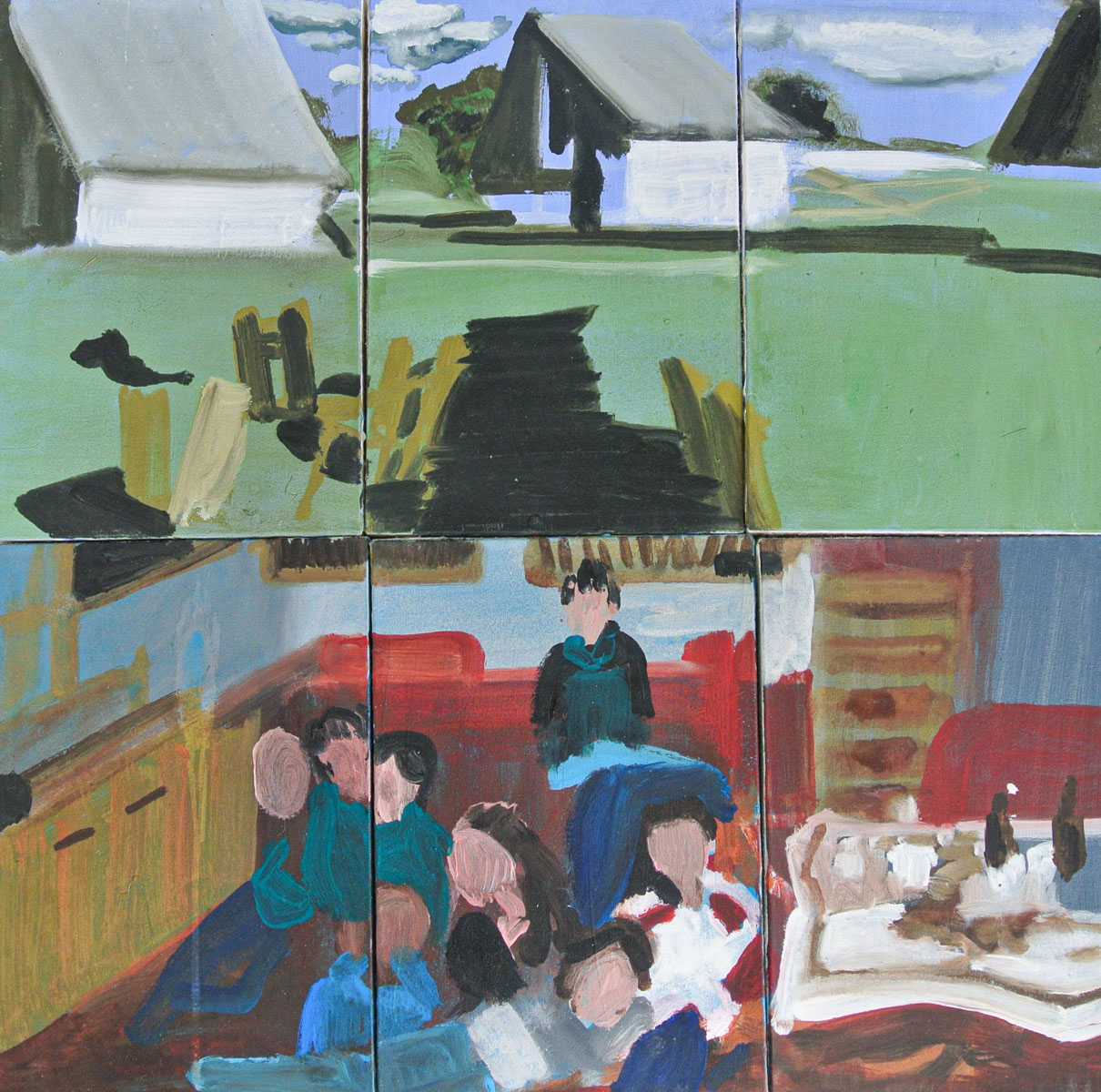
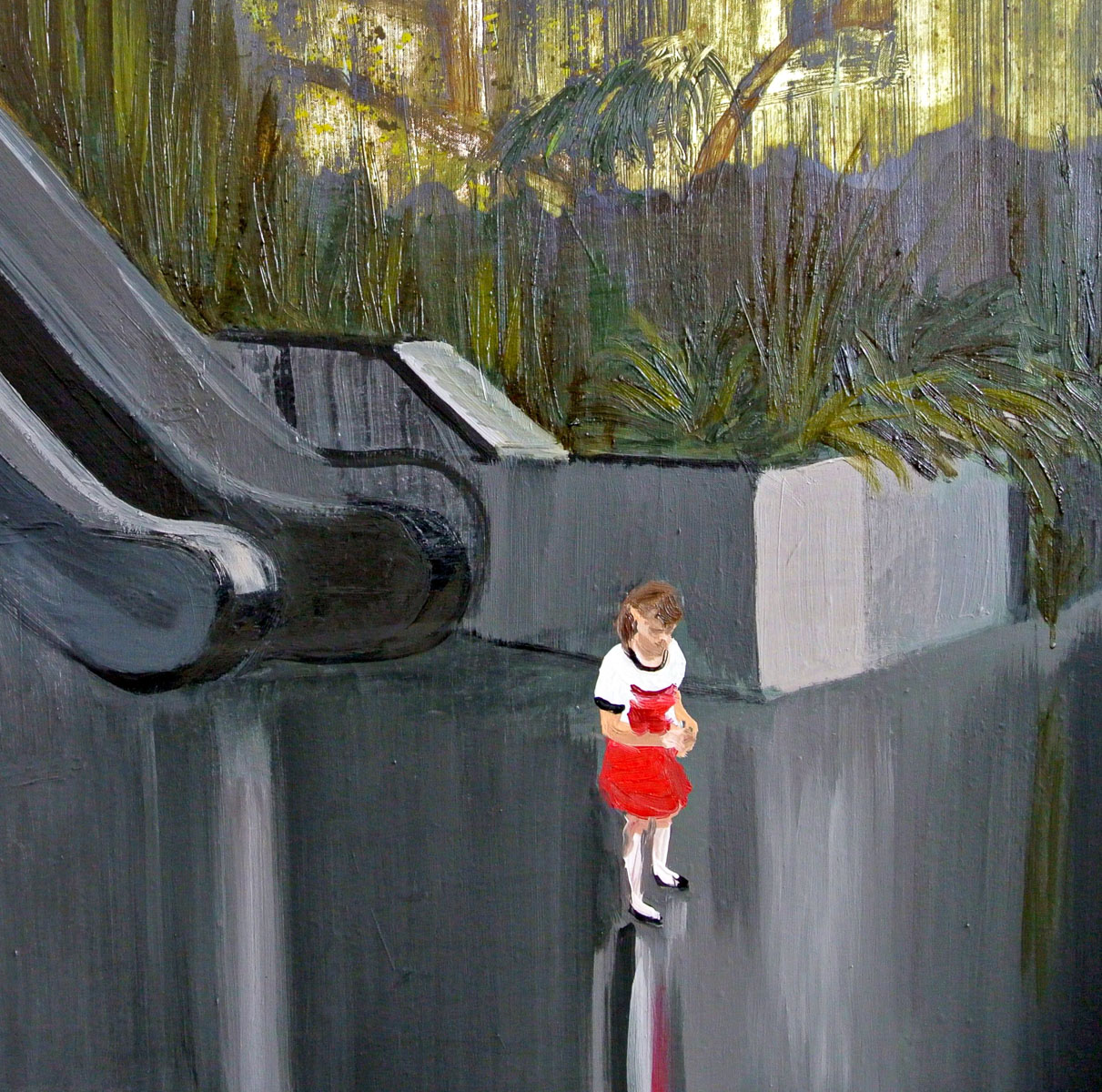
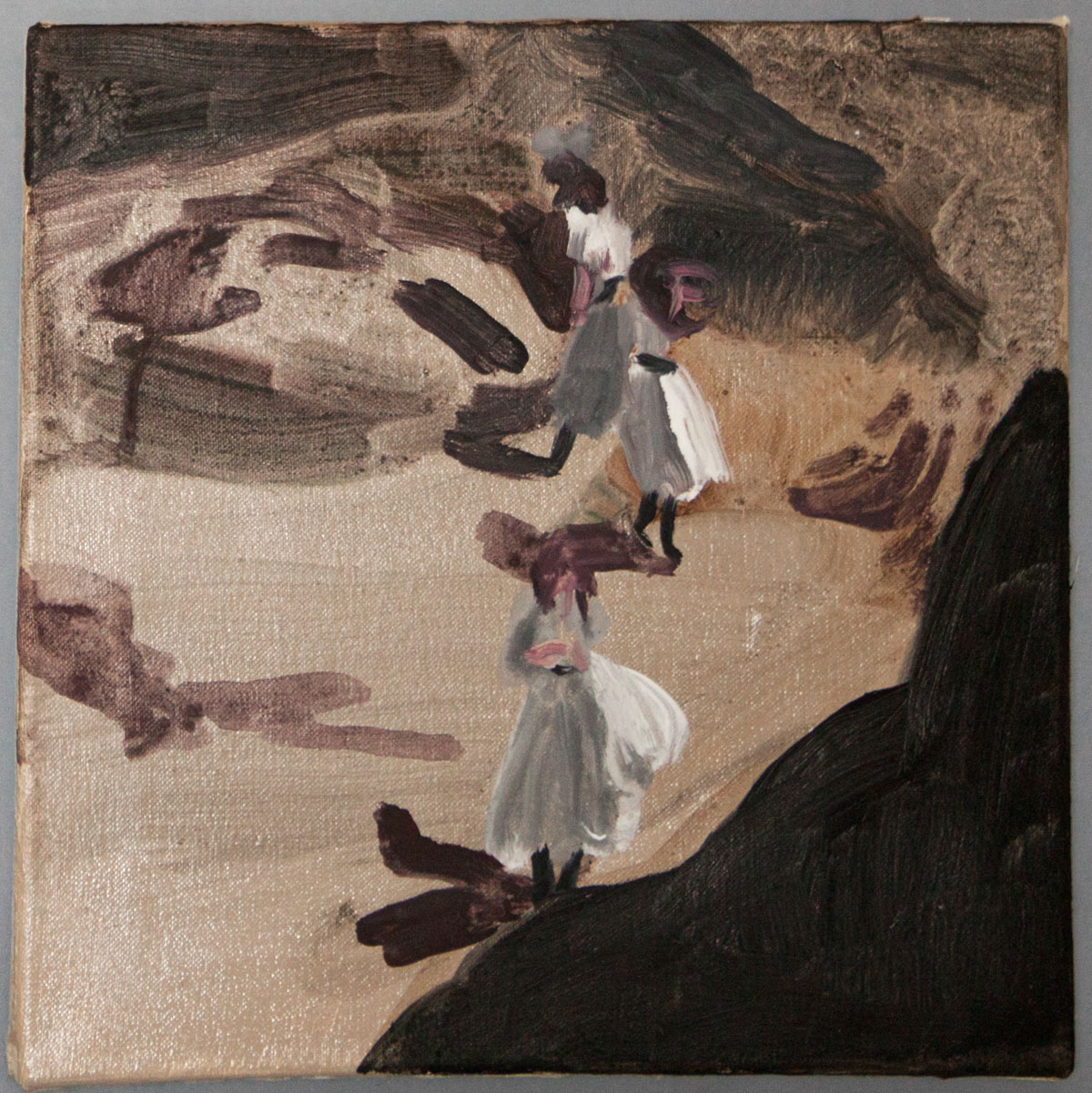
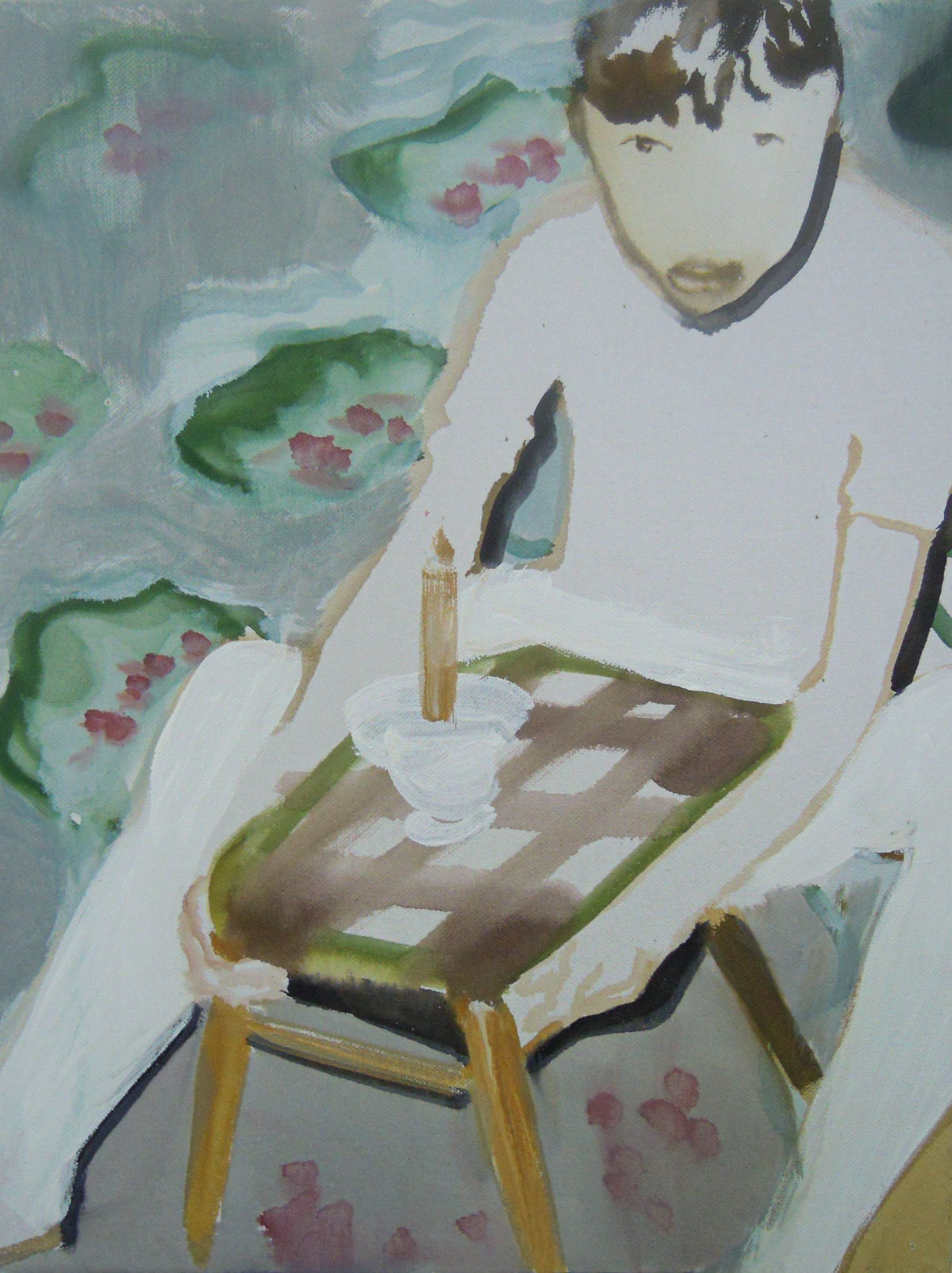
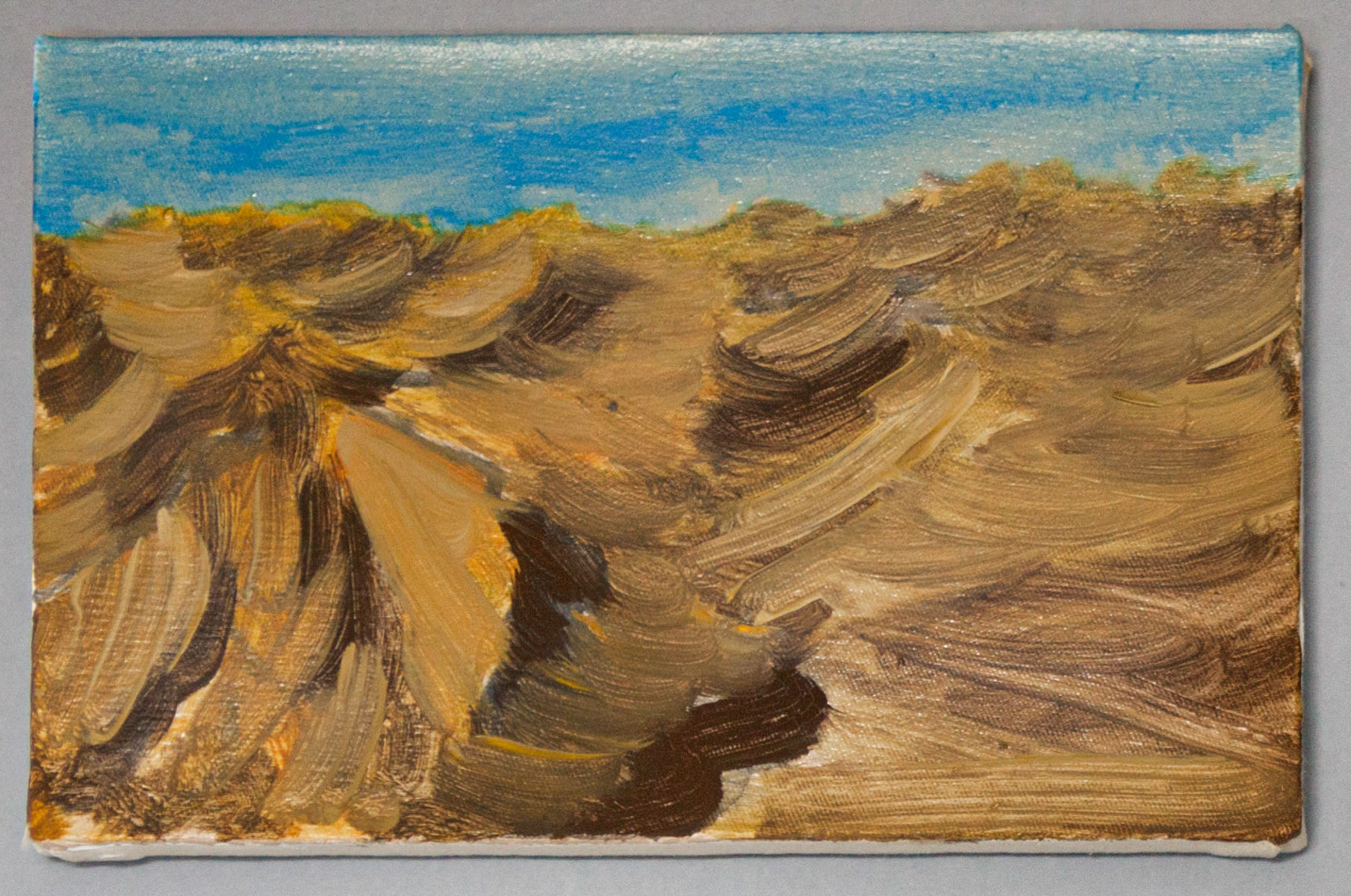
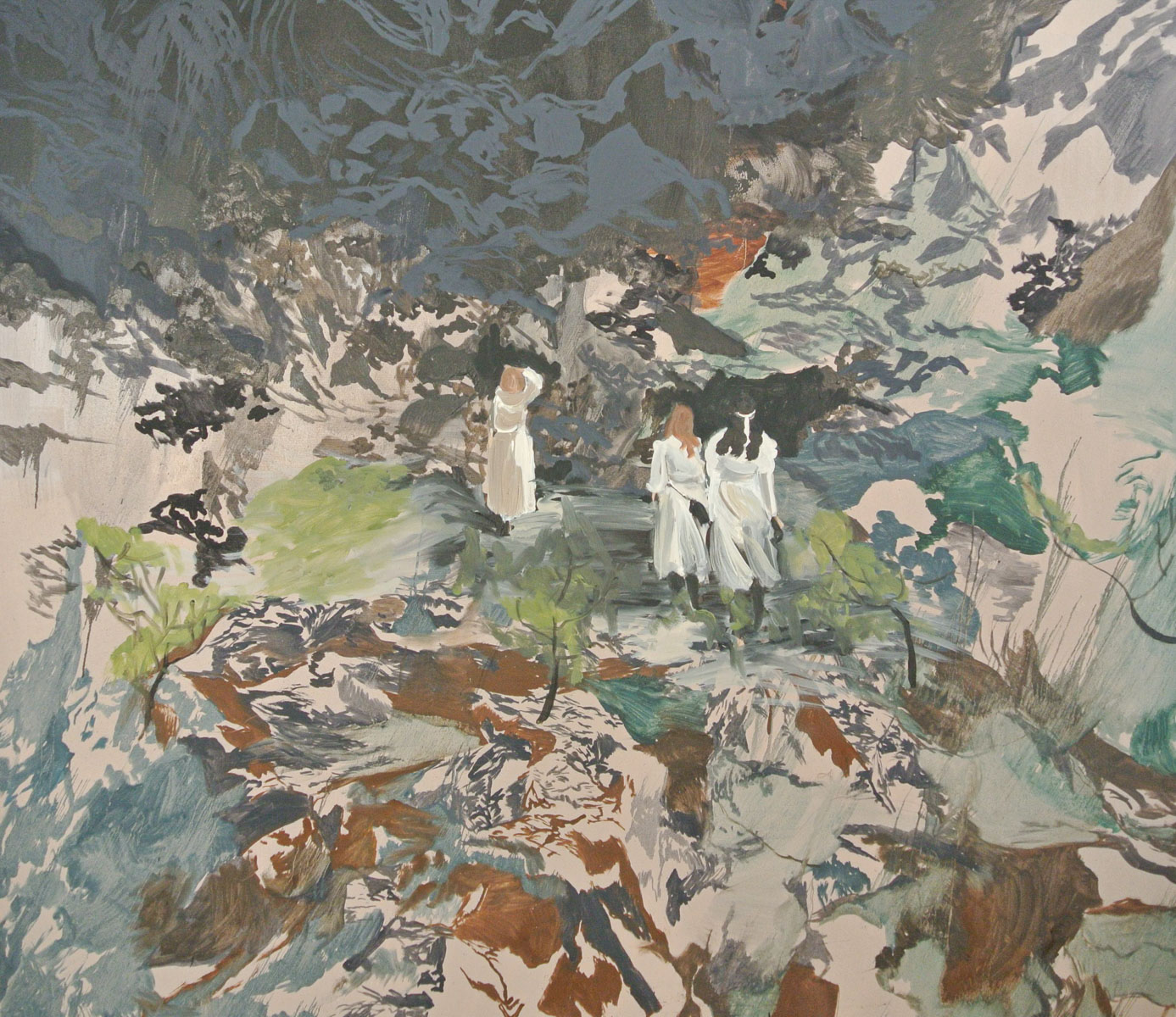
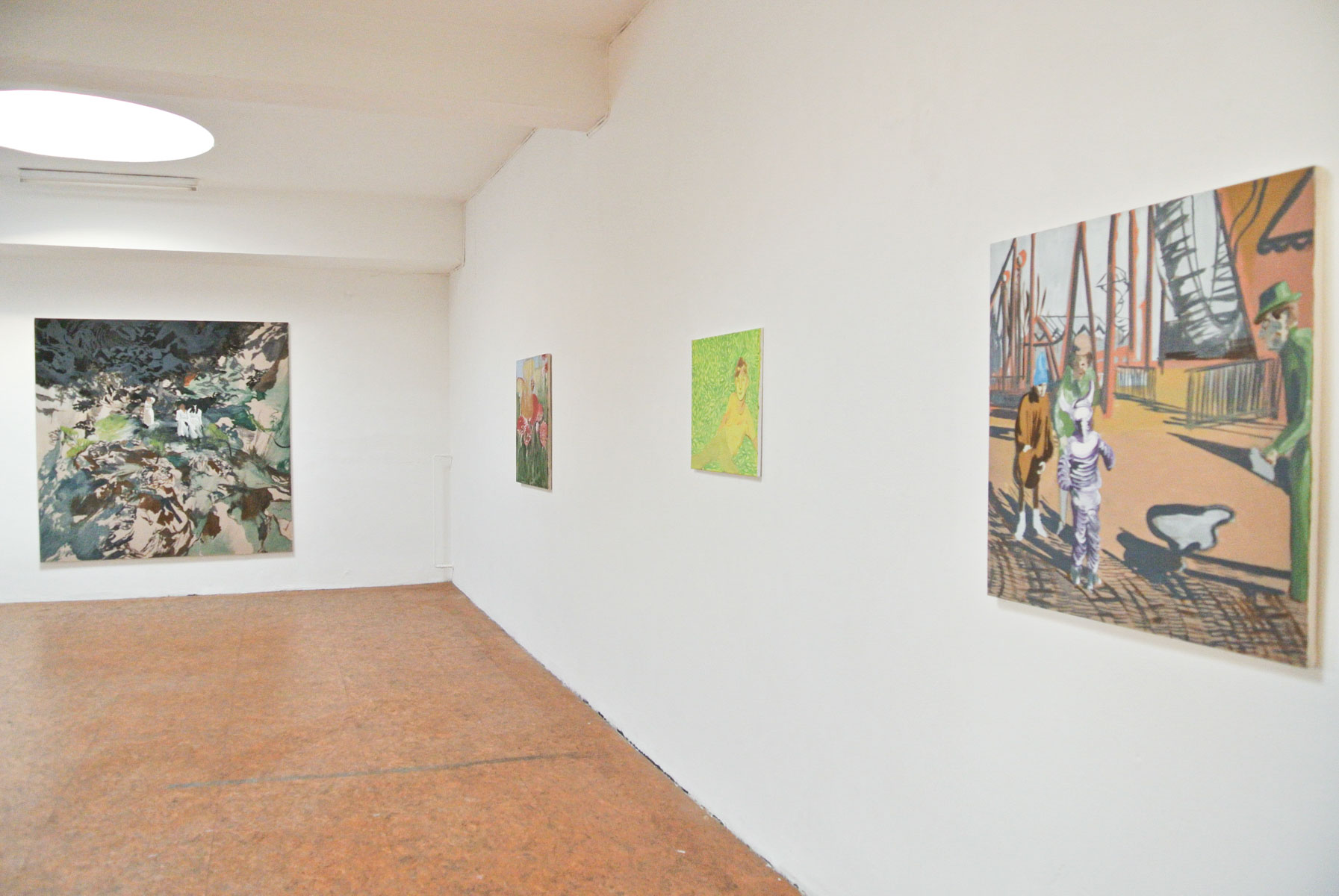
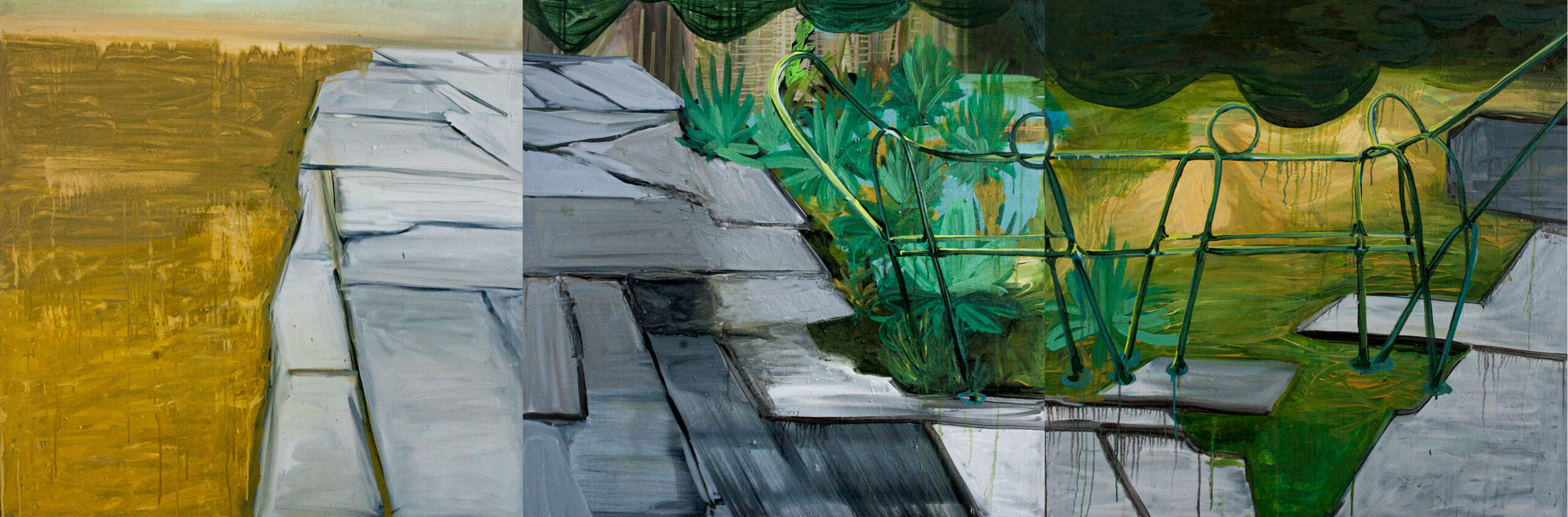
Bycie obok nasuwa skojarzenie z wycofaniem, ze statusem obserwatora. Tytuł wystawy nasuwa dwa znaczenia: personalne i nie personalne. Moja postawa- nie narzucająca się, pielęgnująca własne twórcze działania odpowiada temu pierwszemu określeniu. Obok dzieje się każdego dnia. Jest to też zło, od którego odwracamy wzrok lub tolerujemy je. Zło jest banalne, jak pisała Hannah Arendt, dzieje się tak zwyczajnie w każdych czasach, w każdym kostiumie i każdej scenerii.
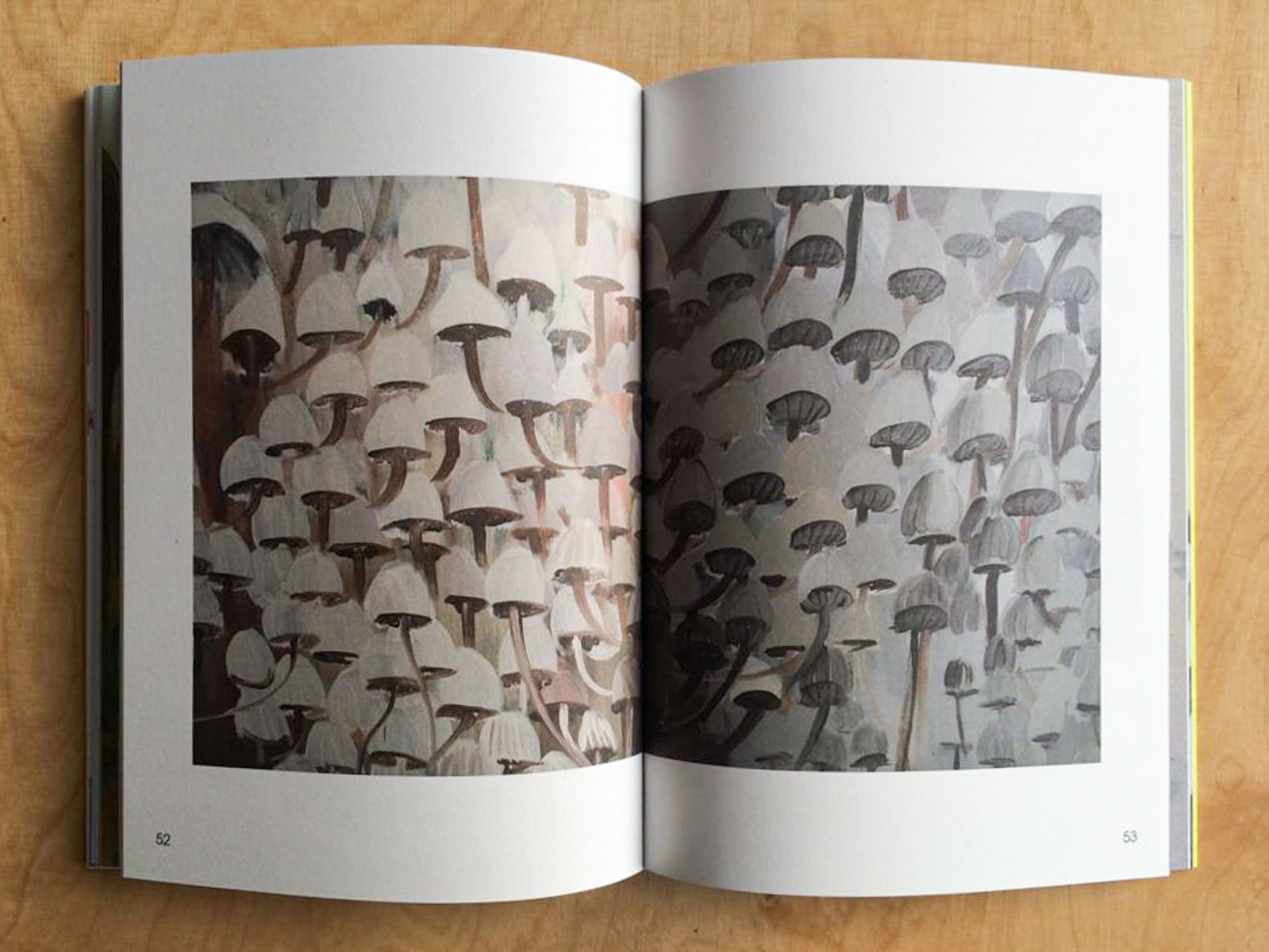
Na wystawie pokazuję obrazy nasuwające dwuznaczne skojarzenia: ponieważ w krajobrazie sielanki, spokoju – gdzieś czai się niepokój, który obnaża obraz. Czy jest to ludobójstwo na trawie czy retrospekcja dziecka w głąb jego snów, tam , gdzie rodzi się niewinna seksualność wystawiona do oka kamery. Czy jest to mleczne sklepienie kaplicy czy opowiadania o lękach, samobójstwie i wojnie – wszystkie te wizualne elementy składają się na spójny obraz mroku, który kryje się za twórcą, jego obsesji i myśli.
Being beside triggers associations with withdrawal, with the observer status. The title of the exhibition suggests two meanings – a personal and a non-personal one. My own posture of staying away and of cultivating my own creative practice corresponds to the former. Beside happens every day. But there is also evil, which we tolerate or look another way. Evil is banal, as Hannah Arendt wrote; it just happens, in all times, in all costumes, in all settings.
The exhibition brings together paintings that abound in equivocal associations, because the idyllic landscape harbours a lurking distress, which the painting discloses. It may be genocide on the grass or a child’s retrospection into the depths of its dreams, where innocent sexuality is born, exposed to the camera eye. Or it may be a milky vault of a chapel or a tale of anxieties, suicide and war. All these visual elements add up to a coherent image of the darkness behind the artist, her obsessions and thoughts.